Service Category: Welfare & Development

  • Disability Care

    Disability Care

    At Thanal, our commitment to fostering a supportive and inclusive environment for individuals with disabilities drives every aspect of our work. Launched in November 2022, the Thanal Disability Care Project is a beacon of hope and empowerment for those needing specialized care and assistance. Our mission is to provide tailored support that enhances the independence and well-being of disabled individuals, ensuring they receive the care they deserve.
    Our initiative encompasses both residential and non-residential care settings. In residential care, we offer a spectrum of support levels—skilled, semi-skilled, and unskilled—to cater to varying needs. For non-residential care, we address the needs of individuals under 18 through school-based support and those over 18 with vocational training opportunities. This comprehensive approach allows us to meet the diverse needs of the disabled community effectively.
    Since launching our disability care poster, we have been inundated with over 500 inquiries, reflecting the urgent need for our services. Through meticulous verification processes, including phone calls and home visits, we have identified and categorized the types of support required by 100 individuals. This process has underscored the critical role of disability care in enhancing the quality of life for these individuals.
    Thanal Disability Care Project is dedicated to improving the lives of some of society’s most vulnerable members. By providing essential shelter, care, and support, we are addressing immediate needs and working towards long-term solutions for disability care.

  • Child Development Center (CDC)

    Child Development Center (CDC)

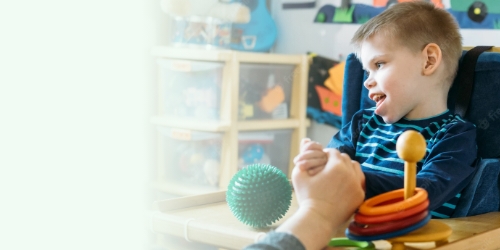
    People with disabilities often have limited access to public services, employment, advocacy, and job opportunities. To address this, children with disabilities need guidance and support at various stages of their lives and as early as possible. Families with disabled children may find it difficult to care for them due to inadequate information and lack of social assistance. This has a negative impact on the family as a whole, as it affects how well the family functions. Each child attends a screening and evaluation by a multidisciplinary team of doctors, speech therapists, occupational therapists, physiotherapists, clinical psychologists and special educators. Therapeutic interventions are provided depending on the child’s condition and disabilities. The CDC is also designed to provide training and psychological assistance to parents of children with disabilities.

  • Vocational Rehabilitation

    Vocational Rehabilitation

    The Vocational Rehabilitation Program for Persons with Intellectual Disability is a comprehensive and compassionate initiative that seeks to enhance the functional abilities, work capacity, and independence of young adults with developmental disabilities. Designed as a structured pathway to meaningful employment, the program shifts the focus from disability to capability, guiding each individual through a journey of skill building, personal growth, and community participation. It emphasizes not only vocational training but also the development of confidence, social skills, and real-world work habits that enable participants to step into adulthood with purpose and dignity.

    This program exists because persons with intellectual disabilities often remain among the most marginalized groups in society. Many complete their schooling only to encounter a void—few opportunities, limited guidance, and widespread societal stigma restrict their chances of becoming self-reliant. Families frequently struggle to find suitable avenues for their young adults, while employers remain unaware of the capabilities this group can offer. By addressing this gap, the program provides structured support and meaningful training, contributing to social inclusion, economic independence, and equal opportunity. It acknowledges the urgent need to create a society where persons with disabilities are not just cared for, but empowered and included.

    The program primarily works with young adults aged 18 to 35 years with intellectual disabilities, autism, Down syndrome, learning disabilities, and multiple disabilities. Families, psychologists, special educators, vocational instructors, rehabilitation officers, employers, local self-governments, hospitals, and community organizations form a committed network of stakeholders, each playing a vital role in the participant’s progress. Over time, the initiative has grown from small experimental efforts into a robust system of vocational centres, residential programs, IT skill units, and community-linked placement services. Initiated under Daya Rehabilitation Trust (Thanal), it has evolved through continuous learning and expanding partnerships across Kerala.

    Today, the program operates through a wide network of Thanal Vocational Rehabilitation Centres spread across Thiruvananthapuram, Kozhikode, Wayanad, Kannur, Kasargod, and Mahe. These centres, located in both rural and urban communities, ensure that specialized services are accessible even to families facing economic challenges.

    The program follows a rights-based, multidisciplinary approach that begins with screening, psychological and functional assessments, followed by a three-month observation period to understand each person’s strengths and needs. Participants receive training in more than a dozen vocational trades along with life skills and employability development, eventually progressing to internships, on-the-job training, and suitable employment placements. Its philosophy is deeply aligned with the Sustainable Development Goals of quality education, decent work, reduced inequalities, and overall well-being.

    Communities, organizations, and individuals can support this initiative by offering placements, collaborating through CSR, volunteering time and expertise, sponsoring training or residential care, donating equipment, or promoting awareness around disability inclusion. Every form of support contributes to building a society that recognizes and nurtures the potential of persons with intellectual disabilities.

  • ‘Feed the Needy’

    ‘Feed the Needy’

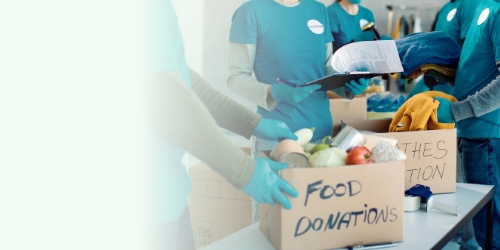
    ‘Feed The Needy’ is a flagship humanitarian initiative of Daya Rehabilitation Trust, dedicated to eliminating hunger and improving the nutritional well-being of marginalized and vulnerable populations across India. Established in January 2021, the program began with the distribution of 100 meals per day in New Delhi during the peak of the COVID-19 crisis. Since then, FTN has rapidly expanded its reach, establishing community kitchens and partnering with vendors to ensure consistent access to safe, nutritious meals for those who struggle to secure even one meal a day.

    FTN operates through two primary models: Own community kitchens and outsourced food distribution. Community kitchens in major cities such as Delhi, Bangalore, and Chennai prepare thousands of meals daily using standardized, hygienic, and culturally appropriate menus. In other cities, FTN collaborates with licensed food vendors to ensure quality and timely meal distribution. All kitchens and vendors follow strict safety and hygiene protocols supported by FSSAI licensing, fire safety clearances, and local government certification.

    The program goes beyond food distribution by adopting a rehabilitative and community-centric approach. FTN identifies beneficiaries through structured need assessments conducted by trained coordinators and social workers. Meals are distributed through cost-effective, well-planned routes by trained staff and volunteers who ensure the food reaches the most vulnerable—street dwellers, homeless individuals, daily wage workers, senior citizens, and children at risk.

    Monitoring and evaluation are integral components of FTN, supported by digital platforms such as Zoho Creator for real-time reporting, quality checks, and performance tracking. Regular meetings, field visits, and monthly reports ensure accountability, transparency, and continuous improvement.

    FTN contributes directly to several Sustainable Development Goals (SDGs), particularly Zero Hunger, No Poverty, Good Health and Well-being, and Reduced Inequalities, aiming to build a hunger-free, inclusive, and healthier society for all.

  • Housing & Water

    Housing & Water

    The Housing and Water project focuses on providing safe and secure homes, as well as equitable access to clean drinking water for rural communities in India. The primary objective of this initiative is to promote physical health through access to hygienic facilities, clean drinking water, and improved nutrition. Our efforts aim to mitigate the negative health impacts of polluted water. To date, we have constructed 300 wells in various regions of the country, with a goal of building an additional 1000 wells in the area by 2022.

  • Child & Women Resilience

    Child & Women Resilience

    The Child and Women Resilience Project was initiated with the vision of creating a family-based care model for orphaned children, ensuring they experience love, safety, and a nurturing family environment. Recognizing that the well-being of these children is deeply connected to the strength of their caretakers, we focus on empowering and building the capacities of widowed and single mothers. Through comprehensive programs, we strive to support the holistic development of orphaned children while fostering the autonomy and resilience of the women who care for them.

  • Rehabilitation Homes

    Rehabilitation Homes

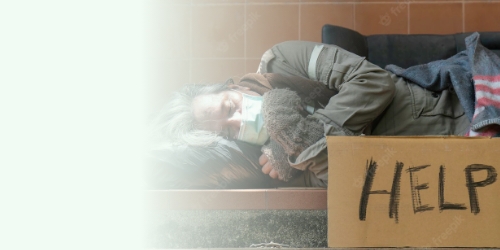
    Thanal Rehabilitation Homes provide a compassionate, community-based model of care for individuals who have been displaced, abandoned, or left without support due to homelessness, illness, disability, aging, or mental health challenges. Guided by core values of empathy, dignity, inclusivity, and safety, the program creates a homelike environment where residents receive not just shelter, but holistic rehabilitation that attends to their physical, emotional, psychological, and social needs. Its purpose is rooted in the recognition that destitute individuals often fall outside formal systems of care, facing extreme vulnerability and social exclusion. Thanal responds to this gap by offering a structured, rights-based, and humane alternative that restores well-being and enables individuals to regain stability and self-worth.

    The program works with a diverse group of beneficiaries, including older persons, women in distress, persons with disabilities, those with psychiatric conditions, and individuals rescued from unsafe or abusive environments. A multidisciplinary team—comprising administrators, social workers, counselors, nurses, caregivers, therapists, and volunteers—ensures each resident receives individualized attention. The SOPs and formalized systems developed between 2022 and 2023 guide the functioning of the centres and ensure quality care and safety across all operations. Situated across Kerala, each rehabilitation home is equipped with essential facilities, medical support systems, and structured routines that contribute to residents’ overall well-being.

    The program’s methodology is built on a bio-psycho-social-spiritual model that integrates healthcare, counseling, daily living support, and community reintegration. Residents receive regular doctor visits, psychiatric consultations, medication management, nutritious meals, structured activities, and assistance with personal care. Psychosocial rehabilitation includes therapy, emotional support, recreational engagement, and life skills training, while reintegration efforts focus on tracing families, reconnecting individuals to social welfare schemes, and preparing them for dignified community living whenever possible. These initiatives closely align with global development goals, particularly the commitments to poverty alleviation, health and well-being, reduced inequalities, and justice-oriented care.

    Thanal’s rehabilitation homes welcome involvement from diverse stakeholders. Communities and volunteers may offer companionship, skill-sharing, and participation in activities that enrich residents’ lives. Donors can support medical, nutritional, or infrastructural needs, while institutions and government agencies can collaborate through referrals, health services, welfare linkages, and joint interventions. By engaging with the program, stakeholders contribute to a compassionate ecosystem where vulnerable individuals not only find safety and care but also reclaim dignity, healing, and purpose.