Service Category: Health

  • Community Health Program (CHP)

    Community Health Program (CHP)

    Thanal’s Community Health Program (CHP) is dedicated to providing essential healthcare services to the most vulnerable populations in metropolitan areas—particularly street dwellers. Recognizing the unique challenges faced by those living on the streets, this program offers comprehensive medical care directly where it is needed most.

    Our services include on-site doctor consultations, basic medical treatments, and follow-up care, ensuring that immediate health issues are promptly addressed. The program also facilitates access to preventive healthcare measures, vaccinations, and health screenings, aiming to catch potential health problems early and provide timely interventions.

    In addition to physical health services, CHP prioritizes mental health support, acknowledging the profound impact of homelessness on mental well-being. We provide counseling and referral services to mental health professionals, ensuring holistic care that encompasses both body and mind.

    Through these efforts, CHP strives to improve the overall health and quality of life for street dwellers, fostering a healthier, more resilient community.

  • Kidney Transplantation
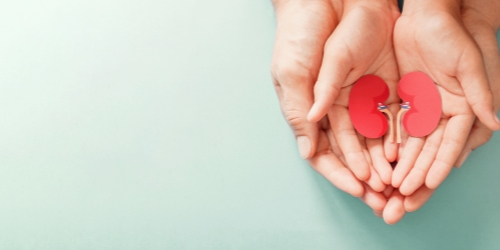
    Kidney Transplantation

    In India, chronic kidney diseases affect more than 8 million people, with 2 lakh receiving a diagnosis of end-stage renal disease each year. The number of persons with kidney-related diseases has nearly quadrupled over the last 15 years. Knowing that most people recover if they receive timely medication is promising. The expense of the treatment, though, can put families of those receiving it in financial peril. Crowdfunding has been Thanal’s most effective approach in the last 14 years and till now for providing financial support for renal sufferers. For transplant procedures, we have partnered with Multi-specialty Hospitals. Financial assistance is provided to patients from economically disadvantaged
    sections.

  • Dialysis Center

    Dialysis Center

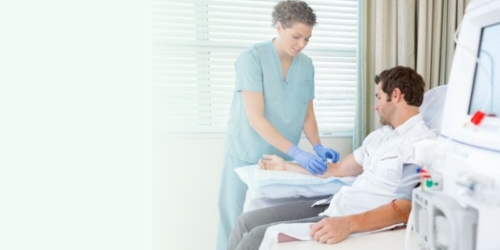
    Kidney disease is a serious public health issue that is on the rise globally. To address the inequity in access to hemodialysis for the socio-economic vulnerable populations, we offer community-based hemodialysis units in rural areas, which are unique in that they approach individuals in the lower rungs of society with the purpose of promoting dignity and autonomy. This unit functions to support access to hemodialysis closer to their own community in urban and semi urban regions for whom inadequate housing and/or utilities are barriers to hemodialysis. A personalised, patient-centered strategy that prioritizes patient choices, aids in overcoming socio-economic obstacles, and promotes more equal access to our best-practice services.

  • Neuro-Rehabilitation Centers

    Neuro-Rehabilitation Centers

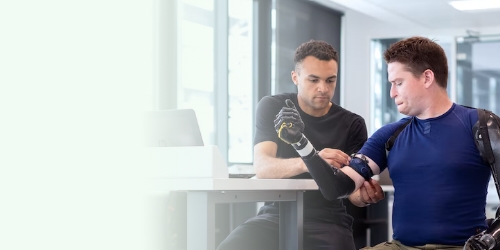
    Neurorehabilitation is a holistic, person-centred approach that aims to restore function, independence, and dignity for individuals living with neurological conditions such as stroke, spinal cord injury, traumatic brain injury, Parkinson’s disease, multiple sclerosis, and neuropathies. At its core, the program brings together medical care, physiotherapy, occupational therapy, speech therapy, psychological support, and community reintegration to help people rebuild their lives after a life-altering neurological event.

    The need for such a program is urgent and deeply relevant. Neurological disabilities are rising across India, with stroke increasingly affecting younger populations and Kerala’s aging demographic bearing a significant burden. Despite Kerala’s strong public health system, specialized neurorehabilitation remains limited and often inaccessible to people in rural and semi-urban communities. Many patients are left without continuity of care, unable to afford long-term rehabilitation or reach tertiary medical centres. Thanal’s Community Neurorehabilitation Project addresses this critical gap by adopting the WHO’s Community-Based Rehabilitation (CBR) framework and adapting it to Kerala’s unique social fabric. By establishing rehabilitation centres within local communities, the program ensures timely, affordable, and culturally sensitive care for those who need it most.

    Thanal works directly with stroke survivors, individuals with traumatic brain and spinal cord injuries, people with Parkinson’s disease, multiple sclerosis, Guillain–Barre syndrome, and other neurological disorders. The program is supported by multidisciplinary rehabilitation teams, healthcare institutions, government health systems, NGOs, and local community partners.

    Beginning in 2016 with its first centre at Padannapalam, Kannur, Thanal has grown rapidly. The establishment of Thanal Brain and Spine Medcity in 2022 marked a major milestone—India’s largest neurorehabilitation facility with 120 beds and advanced technologies. With the launch of its first community neurorehabilitation centre in 2023, Thanal expanded even further. As of 2025, the organization operates 24 centres across 11 districts in Kerala, along with a centre in Bangalore.

    The program functions through a comprehensive, evidence-based framework emphasizing inpatient and outpatient therapy, individualized treatment plans, vocational rehabilitation, and community reintegration. Its work aligns with global development priorities, contributing directly to SDGs 3, 8, 9, 10, 11, 16, and 17.

    Families, volunteers, donors, and partner institutions can support this vital initiative by contributing their time, expertise, and resources. Through collective engagement, the program creates pathways for recovery, inclusion, and hope—ensuring that every individual affected by neurological conditions has the opportunity to reclaim a meaningful and fulfilling life.

  • Early Detection Program

    Early Detection Program

    We have devoted countless efforts to raising awareness of the prevention of renal diseases and lifestyle diseases ever since the Renal Care Center was founded. A person’s way of living is frequently associated with renal and lifestyle diseases. Controlling lifestyle-related diseases would aid from early identification of renal disease and other lifestyle-related diseases in a person. The likelihood of developing such diseases in later life is influenced by an unhealthy and irregular way of life. In order to control lifestyle diseases via long-term data processing, we organise survey camps. A community health education expo provided through a mobile lab facility near the beneficiaries’ homes as the simplest means of diagnosing renal illness in rural locations. Anyone who suspects they may have a kidney ailment is encouraged to seek additional testing under the direction of our chief nephrologist. We believe that structured prevention programs based on reducing the risk factors for community kidney clinics  and rehabilitative strategies could reduce disability occurrence.

  • Pain & Palliative Care

    Pain & Palliative Care

    Our palliative care facilities work to enhance the quality of life for patients and families living with life-threatening disease by offering pain and symptom relief, spiritual and psychological support from diagnosis to end-of-life and bereavement. Our centres include the bedridden, HIV positive individuals, disabled and other critically ill individuals. The services of palliative care facilities go beyond merely helping the patients; they also give the family the essential psycho-social support. The provision of free medications and other essential socio-cultural services is made possible by community involvement. 

  • Medical Relief

    Medical Relief

    Through affiliations with various hospitals, financial assistance is offered to persons who are most in need and belong from socially and economically disadvantaged communities contending with health or medical problems. Treatment of persons with physical or mental disorders, provision of medical and auxiliary services to those recuperating from disease, and care of those in need of medical attention and rehabilitation are part of the service.

  • Community Psychiatry

    Community Psychiatry

    The Thanal Community Psychiatry Program is a community-based mental health initiative designed to deliver accessible, affordable, and holistic psychiatric care to individuals who otherwise have limited or no access to treatment. The program integrates outpatient services, inpatient care, home-based interventions, mobile psychiatric clinics, and rehabilitation support, through a volunteer-driven system to ensure that individuals receive sustained and person-centered mental health care within their own communities. It aims to streamline early detection, provide quality treatment, and promote long-term recovery while reducing the need for hospitalization.

    This program exists because India faces an immense mental health burden, with nearly 197 million people affected and a large treatment gap of approximately 80%. Even in Kerala, where the health system is comparatively strong, psychiatric services remain scarce in primary and secondary care institutions, and specialist availability is far below required levels. Many individuals cannot access timely treatment due to stigma, cost, distance, or lack of awareness. Thanal’s initiative was created to address these systemic gaps by offering decentralized, community-centric mental healthcare that is both affordable and sustainable, ensuring that vulnerable groups—especially those in rural areas, low-income families, and homeless populations—receive continuous support. It also strengthens awareness and resilience at the community level, recognizing that mental health is deeply linked to social, economic, and environmental factors.

    The program works with people living with severe mental illnesses such as schizophrenia, bipolar disorder, major depression with psychosis, substance use disorders, and neurodevelopmental conditions. It engages families, caregivers, local volunteers, ASHA workers, palliative care units, community-based organizations, and local authorities to build a coordinated mental health support network. Since its establishment, the program has been expanding across Kerala, operating community psychiatric clinics, Thanal Homes, and mobile psychiatric units across 12 districts of Kerala.

    Implementation occurs directly in communities through outpatient clinics in local panchayats, home visits, neighborhood volunteer networks, and mobile psychiatric teams that reach underserved and remote locations. The program works through a strong volunteer network that supports community-based rehabilitation and a multidisciplinary team approach that integrates psychiatric treatment, psychosocial support, rehabilitation services, medication management, volunteer follow-ups, and community awareness initiatives.It aligns with global development priorities, including SDG 3, SDG 4, SDG 5 , SDG 10 ,SDG 11,SDG 16 and SDG 17 .

    Stakeholders can support the program by partnering in awareness campaigns, volunteering in community outreach, contributing to medication or care costs, referring individuals in need, or helping strengthen local mental health networks. Their engagement helps sustain a community environment where recovery, dignity, and inclusion for people with mental illness become possible. 

  • Early Intervention Centers (EICs)

    Early Intervention Centers (EICs)

    Early Intervention Centres (EICs) are specialized child-development programs designed to identify and support infants and young children—particularly those between 0 and 6 years—who are experiencing developmental delays, disabilities, or are at risk due to medical, genetic, environmental, or socio-economic factors. These centres operate on the globally recognised principle that early childhood represents a critical window of rapid brain development during which timely therapeutic intervention can produce transformative, lifelong impact. By addressing developmental challenges early, EICs help prevent long-term physical, cognitive, behavioural, and socio-emotional difficulties, thereby reducing inequalities in health and education while ensuring that every child has an opportunity to lead an independent, dignified, and meaningful life.

    The establishment of EICs responds to significant gaps in awareness, access, and availability of specialised child-development services, particularly in communities where developmental delays often go unnoticed until they become severe. Early intervention bridges this gap by integrating early screening, multidisciplinary assessment, and family-centred therapeutic care. At Thanal, the model has evolved from years of experience in disability rehabilitation, special education, and community-based care. What began as specialised educational and therapy-based programs has now expanded into a network of structured, evidence-based Early Intervention Centres guided by Standard Operating Procedures that ensure consistency, quality, and accountability across all branches. These centres draw on a holistic methodology that combines physiotherapy, occupational therapy, speech and language therapy, psychology, special education, developmental therapy, assistive technologies, and innovative approaches such as hydrotherapy, robotic gait training, virtual-reality learning, music therapy, play-based therapy, and art-based interventions. Therapists and educators work within multidisciplinary, interdisciplinary, and transdisciplinary frameworks, ensuring that each child receives an Individualised Intervention Plan tailored to their developmental needs. Regular reviews, parental coaching, preparatory classrooms for school readiness, and community-linkage activities strengthen outcomes and ensure continuity of care.

    EICs also hold deep social relevance, especially in regions where developmental disabilities are underdiagnosed and stigmatised. Early intervention reduces long-term educational and healthcare burdens, improves quality of life, increases the likelihood of mainstream school integration, and strengthens family resilience. It aligns closely with the Sustainable Development Goals—SDG 3 (Good Health & Well-being), SDG 4 (Quality Education), SDG 10 (Reduced Inequalities), and SDG 17 (Partnerships for the Goals)—and with the WHO’s Community-Based Rehabilitation matrix, promoting health, education, social inclusion, empowerment, and future livelihood readiness. Families are active partners in this process; parents are trained as co-therapists, equipped with skills to reinforce therapy at home, and supported through counselling and parent-support groups to ease emotional and caregiving challenges.

    Thanal’s Early Intervention Centres now operate across multiple districts in Kerala, extending high-quality child-development services to both urban and rural communities. Each centre is equipped with trained professionals, child-friendly therapy environments, and accessible service pathways that ensure no child is left behind.

    The expansion of EICs to diverse geographies reflects Thanal’s mission of reaching underserved populations and reducing developmental disparities. Stakeholders—communities, government partners, donors, volunteers, healthcare institutions, and educational bodies—can support this mission by participating in awareness campaigns, facilitating referrals, enabling funding and CSR partnerships, offering professional collaboration, or engaging in community outreach. Families benefit not only from specialised services but also from empowerment through continuous guidance, training, and inclusive opportunities for their children. Through this network of Early Intervention Centres, Thanal is building a future where every child—regardless of ability or circumstance—can grow, learn, and thrive with dignity and equal opportunity.

  • Post Transplant Care

    Post Transplant Care

    Post transplant care services are vital for dialysis patients who have undergone kidney transplantation. Our Post transplant care services may include monitoring of medication, regular check-ups, and assistance with financial aid for patients who require financial support for their care. By providing comprehensive care, patients can better manage their health and improve their overall quality of life.

  • Retail Pharmacy

    Retail Pharmacy

    Thanal Pharmacy is a retail pharmacy chain that offers high-quality medications at reasonable prices. Thanal Pharmacy stores opened their doors in 2021. Prize Health is our associated pharmaceutical manufacturing company, supplying medicines at the most affordable cost. We support those who are economically disadvantaged by offering medications at affordable prices while maintaining the highest
    standards of quality.