Early Intervention Centres (EICs) are specialized child-development programs designed to identify and support infants and young children—particularly those between 0 and 6 years—who are experiencing developmental delays, disabilities, or are at risk due to medical, genetic, environmental, or socio-economic factors. These centres operate on the globally recognised principle that early childhood represents a critical window of rapid brain development during which timely therapeutic intervention can produce transformative, lifelong impact. By addressing developmental challenges early, EICs help prevent long-term physical, cognitive, behavioural, and socio-emotional difficulties, thereby reducing inequalities in health and education while ensuring that every child has an opportunity to lead an independent, dignified, and meaningful life.
The establishment of EICs responds to significant gaps in awareness, access, and availability of specialised child-development services, particularly in communities where developmental delays often go unnoticed until they become severe. Early intervention bridges this gap by integrating early screening, multidisciplinary assessment, and family-centred therapeutic care. At Thanal, the model has evolved from years of experience in disability rehabilitation, special education, and community-based care. What began as specialised educational and therapy-based programs has now expanded into a network of structured, evidence-based Early Intervention Centres guided by Standard Operating Procedures that ensure consistency, quality, and accountability across all branches. These centres draw on a holistic methodology that combines physiotherapy, occupational therapy, speech and language therapy, psychology, special education, developmental therapy, assistive technologies, and innovative approaches such as hydrotherapy, robotic gait training, virtual-reality learning, music therapy, play-based therapy, and art-based interventions. Therapists and educators work within multidisciplinary, interdisciplinary, and transdisciplinary frameworks, ensuring that each child receives an Individualised Intervention Plan tailored to their developmental needs. Regular reviews, parental coaching, preparatory classrooms for school readiness, and community-linkage activities strengthen outcomes and ensure continuity of care.
EICs also hold deep social relevance, especially in regions where developmental disabilities are underdiagnosed and stigmatised. Early intervention reduces long-term educational and healthcare burdens, improves quality of life, increases the likelihood of mainstream school integration, and strengthens family resilience. It aligns closely with the Sustainable Development Goals—SDG 3 (Good Health & Well-being), SDG 4 (Quality Education), SDG 10 (Reduced Inequalities), and SDG 17 (Partnerships for the Goals)—and with the WHO’s Community-Based Rehabilitation matrix, promoting health, education, social inclusion, empowerment, and future livelihood readiness. Families are active partners in this process; parents are trained as co-therapists, equipped with skills to reinforce therapy at home, and supported through counselling and parent-support groups to ease emotional and caregiving challenges.
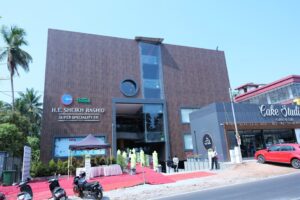
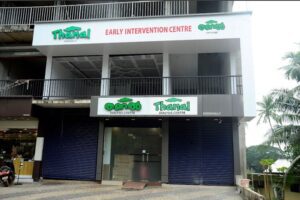
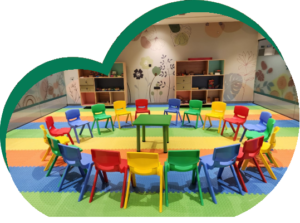
Thanal’s Early Intervention Centres now operate across multiple districts in Kerala, extending high-quality child-development services to both urban and rural communities. Each centre is equipped with trained professionals, child-friendly therapy environments, and accessible service pathways that ensure no child is left behind.
The expansion of EICs to diverse geographies reflects Thanal’s mission of reaching underserved populations and reducing developmental disparities. Stakeholders—communities, government partners, donors, volunteers, healthcare institutions, and educational bodies—can support this mission by participating in awareness campaigns, facilitating referrals, enabling funding and CSR partnerships, offering professional collaboration, or engaging in community outreach. Families benefit not only from specialised services but also from empowerment through continuous guidance, training, and inclusive opportunities for their children. Through this network of Early Intervention Centres, Thanal is building a future where every child—regardless of ability or circumstance—can grow, learn, and thrive with dignity and equal opportunity.